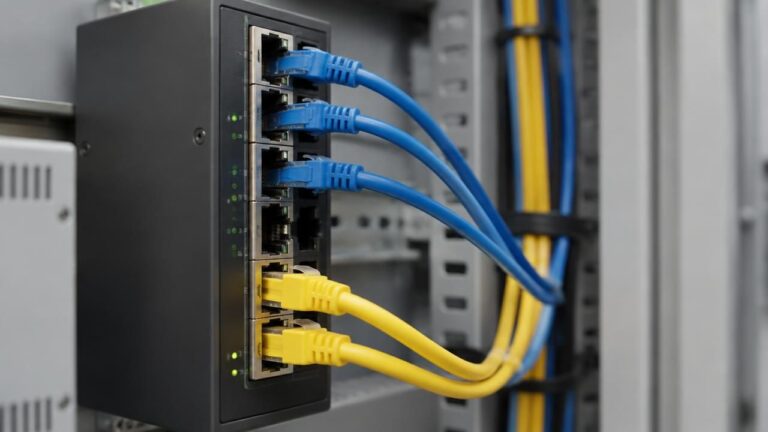
Security tools for OT should live where the assets live.
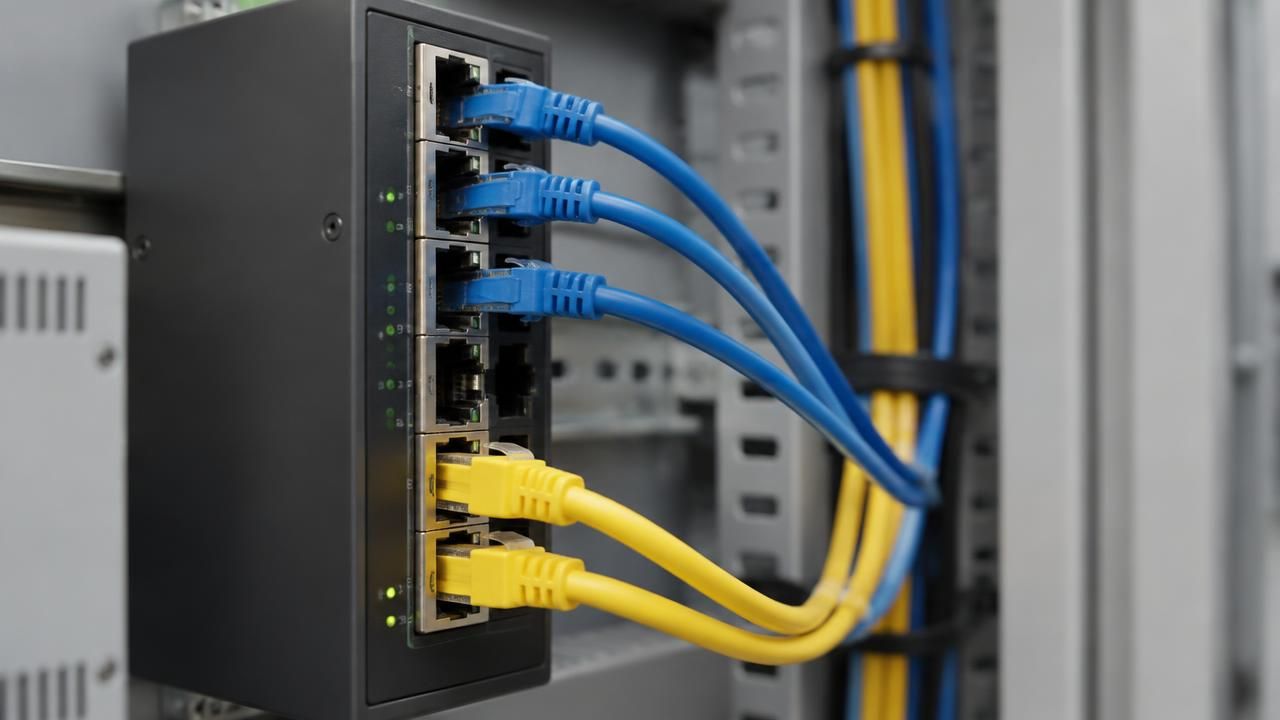
In short
Zero Direct Internet Dependency means security and compliance software runs entirely inside the operator’s boundary, with no live connection to vendor clouds. Vulnerability intelligence and software updates arrive through controlled, verifiable offline packages. This removes an entire class of communication paths that OT environments are designed to avoid, while keeping data current.
Many modern security tools assume a constant connection to the vendor’s cloud for licensing, analytics or threat feeds. In an IT environment that is a convenience. Inside a nuclear plant or a high-impact BES Cyber System, it is a new pathway that must be justified, secured and defended.
What does Zero Direct Internet Dependency actually mean?
It means the software functions fully without any outbound or inbound internet connection. Nothing phones home, licensing is local, and every update is delivered as a package the operator inspects and imports on its own schedule.
- No outbound connections to vendor clouds
- No remote access required for support or licensing
- Vulnerability data refreshed through signed offline packages
- All records remain on operator-controlled hardware
Cloud-connected vs. inside-the-boundary
| Factor | Cloud-connected tools | Zero Direct Internet Dependency |
|---|---|---|
| Network paths | Persistent outbound connection | None |
| Data location | Vendor-hosted | On-premises only |
| Update control | Vendor schedule | Operator schedule, verified packages |
| Approval effort | Firewall exceptions and reviews | Standard on-site software |
Four properties to insist on
Local licensing
No license server or activation call outside the boundary.
Verifiable updates
Offline packages are signed so integrity can be checked before import.
Data stays on site
Asset and vulnerability records never leave operator hardware.
Full function offline
Every feature works with the network cable unplugged.
What does this look like in practice?
Cyberwiz-Pro and the WizNucleus Security Computer System are built this way from the start. Teams import refreshed vulnerability intelligence on a defined cadence, review what changed, and continue working without any live connection.
Five questions to ask any OT security vendor
- Does any feature stop working without internet access?
- How is licensing validated?
- How are updates delivered and verified?
- Where is our data stored and processed?
- Does support ever require remote access?
Fewer paths, fewer questions
Every connection removed is one less thing to defend and one less thing to explain to an auditor. Building tools that never need the internet is the simplest way to keep the boundary intact.
Frequently asked questions
Is this the same as air-gapped?
It achieves the same goal for the software itself: the platform never requires a direct internet connection to operate or stay current.
How does vulnerability data stay current?
Through controlled offline data packages that the operator verifies and imports on its own schedule.
Can it still integrate with other plant systems?
Yes, through on-premises integrations and file-based imports inside the boundary.