Modernization works best in phases, not cutovers.
In short
Many plants still run security computer systems on hardware that is no longer supported. A phased migration (parallel operation, validated cutover by subsystem, and owner-controlled architecture) modernizes the system without risking security operations or creating new audit gaps.
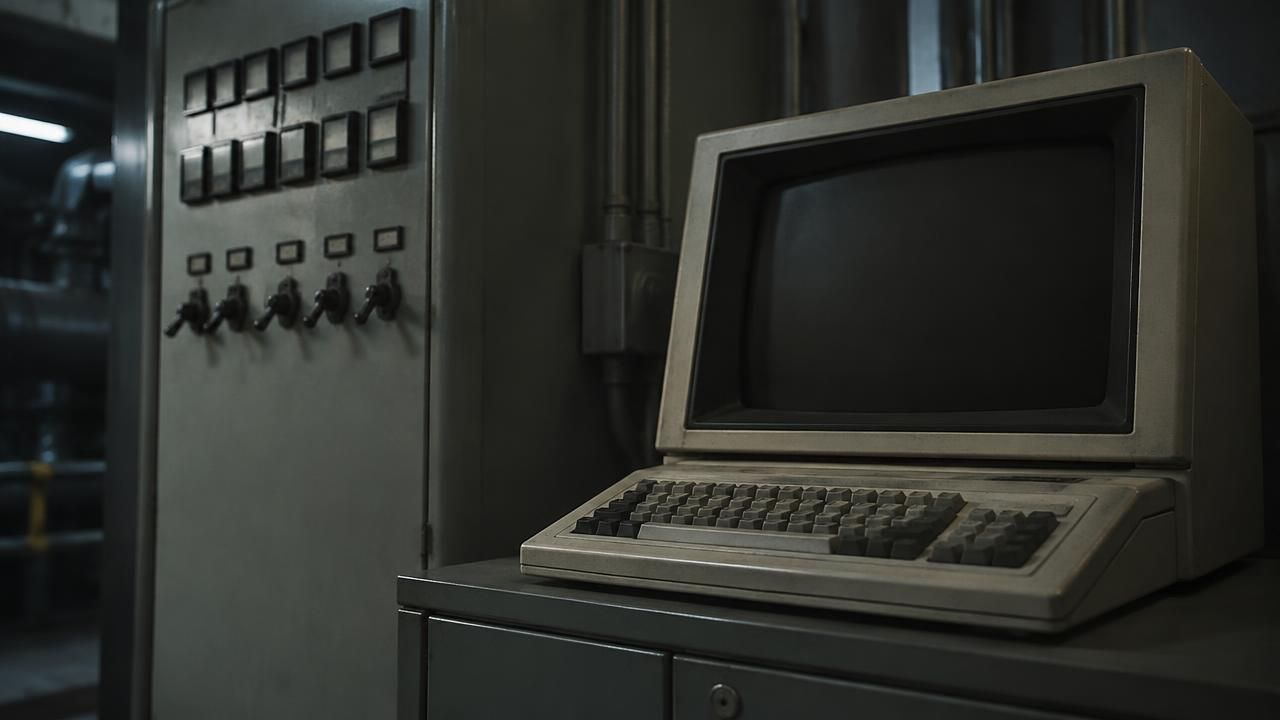
Security computer systems often outlive the hardware and operating systems they were built on. Spare parts get scarce, vendors stop issuing patches, and every year of delay increases both obsolescence and cyber risk.
Why is replacing a security computer so difficult?
Because it cannot go offline. The system supports alarm assessment, access control and security response, so any migration must preserve continuous operation and a defensible record of every change.
- Continuous security operations must be maintained
- Legacy integrations are often poorly documented
- Every change must be traceable for inspectors
- Vendor lock-in limits future flexibility
A phased migration plan
| Phase | Focus | Outcome |
|---|---|---|
| 1. Assess | Inventory functions, interfaces and dependencies | Complete migration scope |
| 2. Parallel run | Operate new system alongside legacy | Validated behavior under real conditions |
| 3. Staged cutover | Transition subsystem by subsystem | Controlled, reversible changes |
| 4. Decommission | Retire legacy hardware with records | Clean audit trail |
Four principles for a safe migration
Owner-controlled
The utility owns the architecture, configuration and data.
Deterministic behavior
The new layer behaves predictably and can be audited.
Reversible steps
Every cutover stage has a defined rollback path.
Documented throughout
Each change is recorded as it happens, not afterward.
What does this look like in practice?
The WizNucleus Modern Security Computer System is designed for phased adoption. It runs alongside existing equipment, takes over functions in validated stages, and keeps the plant in control of its architecture with no internet dependency.
Five questions before you start
- Do you have a complete list of functions the current system performs?
- Which interfaces are undocumented?
- Can you run old and new systems in parallel?
- What is the rollback plan for each stage?
- Who will own the new system’s configuration?
Modernize without the cliff edge
A planned, staged replacement avoids the forced emergency upgrade that happens when legacy hardware finally fails.
Frequently asked questions
How long does a migration take?
It depends on site size and integrations; a phased approach typically spans several months with no loss of operation.
Can existing field devices be reused?
Often yes. The assessment phase identifies which devices can remain and which need replacement.
Does the new system require internet access?
No. It is designed for Zero Direct Internet Dependency.